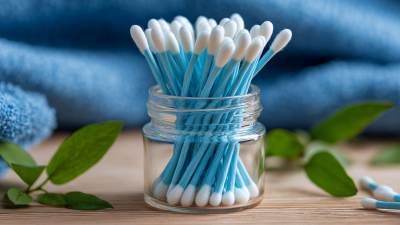
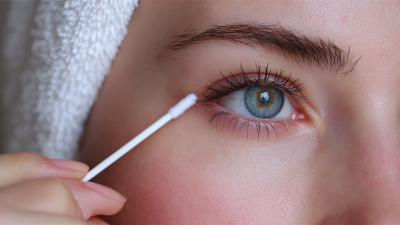
When it comes to taking care of your ears, it’s pretty common for people to automatically grab a Q-Tip, thinking it's the best way to clean and keep your ears healthy. But honestly, the way most folks use them might not be as safe or effective as you’d hope. Instead of helping your ears stay happy, improper use can actually cause issues—like pushing earwax further in or even damaging the delicate parts inside.
Here at Guangdong Xiaomianjia Medical Supplies Co., Ltd., we’re all about innovating in the world of disposable medical products, always focusing on safety and quality. We really want to help you make smarter choices, so we encourage everyone to rethink how they approach ear care and explore safer options than Q-Tips for keeping your ears in top shape.
Rethinking Q-Tip Use: Understanding the Risks of Ear Wax Mismanagement
Earwax management isn’t always handled properly — especially when it comes to using Q-tips. Did you know that, according to the American Academy of Otolaryngology, over 12 million Americans see a doctor each year because of earwax issues? Using cotton swabs to clean your ears can actually cause more harm than good, leading to things like impacted wax, hearing difficulties, or even infections. The problem is, instead of removing the wax, we often end up pushing it deeper into the ear canal. It’s pretty clear that it’s time to rethink how we approach Ear Cleaning and maybe reconsider what we’ve always accepted as normal.
At Guangdong Xiaomianjia Medical Supplies Co., Ltd., we truly understand how important it is to promote safe ear care habits. That’s why we focus on designing and making high-quality, disposable medical supplies — so people have safer options when it comes to ear hygiene. Thanks to new advancements in disposable tech, there are products specifically made for ear cleaning that can reduce the risks of improper handling. These options are not only safer but also gentle, effective, and easily available. It’s really worth remembering that improper wax removal can be risky, and opting for safer, doctor-recommended methods is always a smart move instead of relying on traditional Q-tips.
The Science of Ear Wax: What Experts Say About Its Importance for Ear Health
When you think about ear care, it's pretty tempting to grab Q-tips for a quick fix to clean out earwax, right? But honestly, experts warn against it. Turns out, earwax isn’t just gross buildup—it's actually super important for keeping your ears healthy. It kind of acts like a natural shield, fending off dust, bacteria, and all that foreign stuff trying to get in. Overdoing it with the cleaning can backfire, leading to impacted wax, which can be really uncomfortable and even mess with your hearing. Not exactly what you want!
So, instead of reaching for those cotton swabs, here are a few tips to keep your ears in good shape: first off, just let your body do its thing—most of the time, ears naturally get rid of excess wax on their own. If you think your ears need a bit of help, use a damp cloth to gently wipe around the outer ear. And hey, if you're dealing with pain or feel like your ear's blocked, it’s always smart to check in with a healthcare pro before trying anything risky.
Taking care of your ears means respecting what they’re built for. This year’s focus on ear health is a good reminder that while tech can help us hear better, it’s equally important to stick with natural hygiene habits. By understanding how crucial earwax really is and steering clear of harmful cleaning tricks, you'll help keep your hearing sharp for years down the line!
Alternatives to Q-Tips: Recommended Tools for Safe Ear Cleaning
When it comes to ear care, a lot of folks still reach for Q-Tips without really thinking about the risks. Honestly, many don’t realize that poking around in your ear with anything can actually push wax further in or even cause damage to your eardrum — not exactly what you want. So, instead of sticking with traditional cotton swabs, it’s worth considering some safer options, which more and more healthcare pros are actually recommending nowadays.
One pretty neat alternative is EaroPro — it’s a doctor-approved, app-enabled device designed to help you clean your ears safely at home. It creates a controlled environment, so you don’t have to worry about injuring yourself. Plus, research shows that earwax tends to self-clean over time, so no need to overdo it. Regular check-ups with your doctor are also a good idea to keep your ears healthy.
A few tips to keep in mind? Avoid shoving objects deep into your ears, always talk to a healthcare professional before trying new tools, and look for products made specifically for ear hygiene. Using safer options not only protects your hearing but also keeps your ears cleaner overall. Trust me, your ears will thank you!
Why You Should Rethink How You Use Q-Tips for Ear Care - Alternatives to Q-Tips: Recommended Tools for Safe Ear Cleaning
| Tool | Description | Safety Rating | Recommended Frequency |
| Ear Wax Removal Drops | Softens earwax for easier removal. | High | As needed or per doctor's recommendation. |
| Ear Irrigation Kit | Uses gentle water pressure to remove earwax. | Medium | Occasionally or as directed by a healthcare professional. |
| Cotton Cloth | For wiping the outer ear without inserting anything. | High | Regularly as part of personal hygiene. |
| Ear Wax Removal Scoops | Safe tools designed to scoop out wax without damaging the ear. | Medium | As needed, ensure proper technique to avoid injury. |
Statistics on Ear Injuries: How Common are Q-Tip Related Incidents?
You know, many people probably think using Q-tips to clean their ears is no big deal, but the truth is kinda worrying. Stats show that a lot of ear injuries are actually linked to cotton swab use—around 12,500 kids and adults head to the ER every year because of it, according to the American Academy of Otolaryngology. Most of these incidents involve puncturing the ear canal or pushing wax in even further, which can lead to some pretty serious issues down the line.
Plus, a study published in Otolaryngology–Head and Neck Surgery found that about 73% of folks surveyed admitted they still use cotton swabs for ear cleaning, even though they know the risks. It’s kinda shocking when you think about it, especially because some of these injuries end up causing hearing loss or require surgery. All this just shows there's a real need to raise awareness about safe ear care. Many people tend to overlook how dangerous it can be to stick Q-tips in there.
Instead, trying safer options like ear drops or, even better, talking to a healthcare professional might really help cut down on these injuries.
Expert Guidelines: Recommended Practices for Ear Care From Audiologists
When it comes to taking care of your ears, lots of people reach for Q-tips without really thinking twice. But honestly? Many experts, including audiologists, suggest we should reconsider that habit. Using Q-tips can actually push wax further into your ear canal, which might lead to blockages or even injury—definitely not what you want. Instead, there are safer, smarter ways to keep your ears healthy.
Tip 1: Gently clean the outer part of your ears with a damp cloth. It's simple, effective, and reduces the risk of damaging your ears compared to poking around inside.
Tip 2: You might also try over-the-counter ear drops made for wax removal. These can help soften the wax, making it easier for your ears to get rid of it naturally. Just make sure to follow the instructions on the package — no shortcuts!
Here at Guangdong Xiaomianjia Medical Supplies Co., Ltd., we totally get how important it is to handle ear care safely. As a provider of high-quality disposable medical supplies, we encourage everyone to adopt practices that prioritize your health and safety. When you incorporate these expert tips into your routine, you can look after your ears better—no more risky Q-tip adventures!
Studies on Ear Health: Findings on Ear Wax Removal Techniques and Safety
Lately, there's been a lot of talk about rethinking how we handle ear care, especially when it comes to using Q-Tips to get rid of ear wax. You know, ear wax, or cerumen as it's formally called, actually does a pretty important job—kind of like a barrier that traps dust and dirt and even helps keep bacteria at bay. But honestly, so many of us reach for cotton swabs thinking we're cleaning our ears, when in reality, we're often doing more harm than good. Studies have shown that those tiny sticks can actually push the wax deeper inside, which might lead to blockages or even damage the sensitive parts inside the ear. Yikes, right?
On the flip side, there are safer and more effective ways to deal with excess ear wax, like gently irrigating the ear or using special ear drops. These methods tend to be gentler and help prevent problems like impacted wax, all without sacrificing ear health. Because of this new info, docs and health experts are starting to spread the word about better ear care habits—it's time to ditch the myth that we need to use Q-Tips all the time to stay clean. If we focus on safer practices, we can avoid a bunch of avoidable complications and really take better care of our ears in the long run.
Unleashing Creativity: Customizable Precision Cotton Swabs for Flawless Cosmetic Application
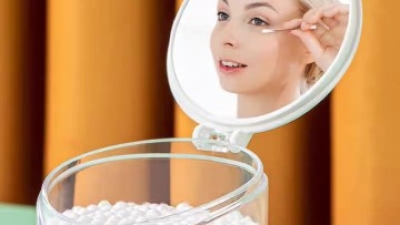
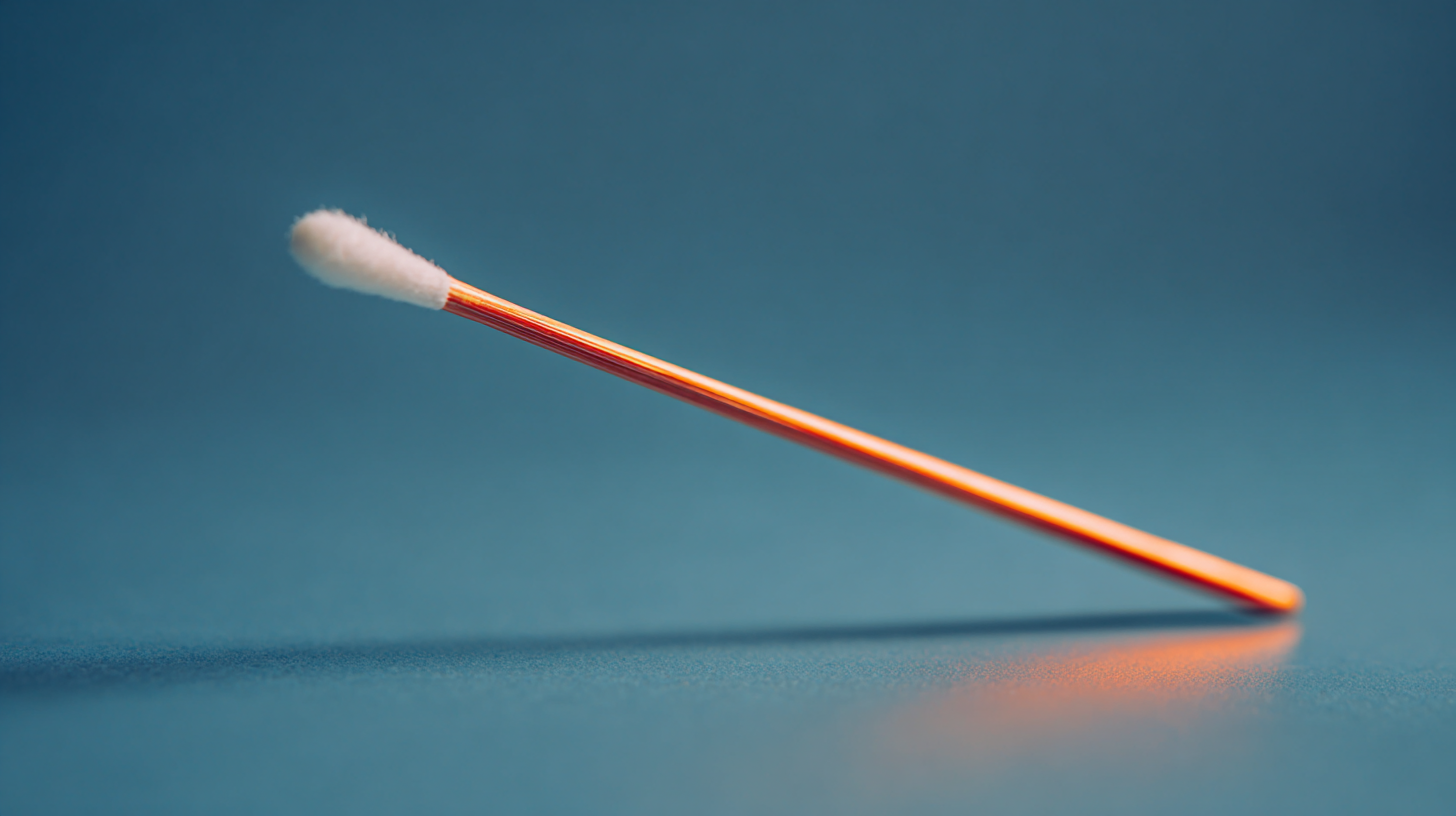
Unleashing your creativity in the realm of cosmetics has never been easier with our customizable precision cotton swabs. Designed specifically for makeup enthusiasts and professionals, these swabs are essential tools for achieving impeccable results. With a built-in mirror, you can confidently touch up your makeup on the go, ensuring that you always look your best no matter the situation. This innovative packaging revolutionizes the way you approach Makeup Application and maintenance, making precision tasks more accessible and efficient.
The pointed design of our professional-grade cotton swabs facilitates meticulous cleaning of those hard-to-reach areas, particularly around the eyes and lips. Whether you're perfecting your eyeliner or tidying up lip color, these swabs allow for detailed work that’s essential for flawless results. But their versatility doesn’t stop at faces; they are equally effective for nail repair and intricate wiping tasks. Elevate your beauty routine with these indispensable cotton swabs, and experience the true potential of customizable makeup application.
FAQS
: The main risks include earwax impaction, hearing loss, ear infections, and other complications caused by pushing wax deeper into the ear canal rather than removing it.
According to a study by the American Academy of Otolaryngology, over 12 million Americans see a doctor annually for issues related to earwax.
Approximately 12,500 people are treated in emergency rooms every year for injuries related to cotton swabs, including punctured ear canals and deeper impacted earwax.
Nearly 73% of individuals surveyed admitted to using cotton swabs for ear cleaning, even though they were aware of the associated risks.
Audiologists recommend using a damp cloth to gently clean the outer part of the ears and considering over-the-counter ear drops designed for wax removal.
Ear drops can soften earwax, making it easier for the body to naturally expel it, thereby reducing the need for any invasive cleaning techniques.
Alternatives include using a damp cloth for the outer ear and consulting healthcare professionals for safe wax removal methods.
Consumers can prioritize safe ear care by adopting expert guidelines, such as avoiding Q-tips and using medically approved methods like ear drops.
They focus on developing and manufacturing high-quality disposable medical supplies that provide safer alternatives for ear hygiene.
Greater awareness can significantly reduce the risk of ear injuries and promote healthier ear care habits, minimizing reliance on Q-tips.
Conclusion
So, I came across this article called "Why You Should Rethink How You Use Q-Tips for Ear Care," and honestly, it made me realize how tricky ear wax removal can be if you're not careful. The piece really emphasizes that ear wax actually plays a vital role in keeping our ears healthy—something a lot of folks overlook. It also busts some common myths about how to get rid of it, which can be pretty misleading. Turns out, injuries related to Q-Tip use happen way more often than most of us might think, which just shows we probably need to consider safer options.
On a related note, Guangdong Xiaomianjia Medical Supplies Co., Ltd. is all about promoting smarter ear care. They offer high-quality disposable products that are a much safer alternative to the usual Q-Tips. Knowing why ear wax matters and choosing the right tools to clean your ears can really make a difference—helping you avoid injuries and keep your ears healthy. It’s all about following expert advice from audiologists and staying informed with recent research. Bottom line: a little knowledge can go a long way when it comes to taking care of your ears!