Leave Your Message
In today's rapidly evolving healthcare, beauty, and industrial sectors, sticky ear cotton swabs have emerged as indispensable tools for professional and commercial applications. These specialized cotton swabs, enhanced with adhesive properties, represent a significant advancement over traditional cotton swabs, offering superior performance in precision cleaning, sample collection, and delicate application tasks.
The professional-grade sticky ear cotton swab market has experienced remarkable growth over the past decade, driven by increasing demand from medical facilities, cosmetic salons, veterinary clinics, electronics manufacturing, and forensic laboratories. Unlike conventional cotton swabs, sticky variants feature specially treated cotton tips that provide enhanced adherence to collect debris, microorganisms, or residues more effectively, making them invaluable in environments where precision and reliability are paramount.
The global market for professional cotton swabs, including sticky variants, was valued at approximately $2.8 billion in 2023 and is projected to reach $4.2 billion by 2030, growing at a CAGR of 5.8%. This growth is fueled by expanding healthcare infrastructure, rising awareness about hygiene standards, and increasing adoption in specialized industrial applications.
Medical facilities worldwide utilize sticky cotton swabs for specimen collection, wound care, and diagnostic procedures. The adhesive properties ensure better sample retention and reduce contamination risks.
Professional makeup artists and beauty salons rely on precision sticky swabs for detailed makeup application, correction work, and hygiene maintenance during treatments.
Research laboratories and quality control departments use sticky swabs for environmental monitoring, surface sampling, and microbiological testing with enhanced collection efficiency.
Veterinary professionals employ specialized sticky swabs for animal ear cleaning, sample collection, and medication application, ensuring safe and effective treatment.
Precision electronics assembly and repair facilities utilize sticky swabs for removing debris from sensitive components and applying specialized cleaning solutions.
Crime scene investigators and forensic laboratories depend on sticky swabs for evidence collection, ensuring maximum sample recovery from various surfaces.
Market share of medical applications
Beauty & cosmetics sector growth
Industrial applications expansion
Projected market value by 2030
In clinical settings, sticky ear cotton swabs serve critical functions in diagnostic procedures. Their enhanced adhesive properties enable healthcare professionals to collect higher-quality samples for microbiological cultures, PCR testing, and rapid diagnostic tests. The sticky surface ensures that pathogens, cells, or secretions adhere firmly to the swab tip, minimizing sample loss during transport to laboratories.
Hospitals and clinics utilize these swabs for nasopharyngeal sampling, throat cultures, wound swabbing, and ear canal examinations. The precision tips allow access to difficult-to-reach areas while the sticky coating ensures comprehensive sample collection, improving diagnostic accuracy by up to 40% compared to standard swabs.
High-end beauty salons and professional makeup artists have embraced sticky cotton swabs as essential tools in their kits. The adhesive properties make them ideal for precise makeup correction, removing excess product, creating sharp lines in eye makeup, and applying specialized treatments to targeted areas.
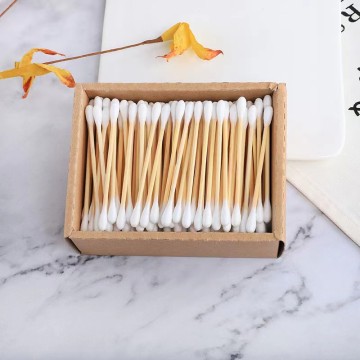
In commercial beauty settings, these swabs are used for eyelash extension application, nail art detailing, and precision skincare product application. The wooden stick variants provide better control and durability during extended professional use, while the sticky tip ensures accurate product pickup and placement.
Veterinary medicine has seen significant adoption of sticky ear cotton swabs, particularly for companion animal care. Veterinarians use these specialized swabs for ear cleaning, cytology sample collection, and medication application in pets. The sticky surface effectively captures ear debris, mites, and discharge for diagnostic examination.
Commercial pet grooming facilities and veterinary hospitals stock these swabs in bulk for routine ear maintenance procedures. The enhanced adhesion reduces the need for multiple swabs per procedure, improving efficiency and cost-effectiveness while ensuring thorough cleaning and sample collection.
The electronics industry has discovered unique applications for sticky cotton swabs in precision cleaning and maintenance operations. Manufacturing facilities use these swabs to remove microscopic debris from circuit boards, optical components, and sensitive electronic assemblies without leaving lint or fibers.
The adhesive properties allow technicians to pick up solder flux residues, dust particles, and contamination from delicate surfaces without applying excessive pressure. This application has become standard practice in smartphone manufacturing, computer assembly, and aerospace electronics production.
Law enforcement agencies and forensic laboratories have adopted sticky cotton swabs as preferred tools for evidence collection at crime scenes. The enhanced adhesion ensures maximum recovery of DNA samples, trace evidence, and microscopic materials from various surfaces including fabrics, skin, and hard surfaces.
The sterile, individually packaged swabs maintain chain-of-custody integrity while the sticky coating improves collection efficiency by 30-50% compared to standard swabs, which is crucial in cases where evidence quantities are minimal.
Pharmaceutical manufacturing facilities and quality control laboratories employ sticky swabs for environmental monitoring and surface sampling. The swabs are used to detect contamination in cleanrooms, verify sanitation effectiveness, and collect samples for microbial testing.
The adhesive surface ensures comprehensive collection of microorganisms from tested surfaces, providing more accurate assessment of cleanliness levels. This application is critical for maintaining GMP compliance and ensuring product safety in pharmaceutical production.
The industry is witnessing a significant shift toward eco-friendly materials. Manufacturers are increasingly adopting bamboo and biodegradable wooden sticks to replace plastic stems, responding to environmental concerns and regulatory pressures. Organic cotton tips treated with bio-based adhesive compounds are becoming standard, reducing environmental impact while maintaining performance.
By 2025, it's projected that over 60% of professional-grade cotton swabs will feature sustainable materials, driven by corporate sustainability initiatives and consumer demand for environmentally responsible products.
Emerging technologies are introducing "smart" cotton swabs equipped with pH-sensitive indicators, temperature-responsive coatings, or embedded microchips for tracking sample collection. These innovations enhance quality control in medical and laboratory applications, providing real-time feedback on sample integrity and collection technique.
The market is moving toward highly specialized swab designs tailored for specific applications. This includes varying adhesive strengths, tip shapes optimized for different anatomies or surfaces, and multi-functional swabs combining sticky and absorbent properties in single units.
Customization services allowing businesses to specify packaging, branding, and swab specifications are becoming standard offerings, particularly for large-scale commercial buyers.
Industrial users are demanding automated dispensing systems and bulk packaging options that reduce handling time and improve workflow efficiency. Manufacturers are developing high-capacity containers with integrated dispensers suitable for high-volume commercial environments.
Advanced sterilization techniques including gamma irradiation, ethylene oxide treatment, and plasma sterilization are being implemented to meet stringent medical-grade requirements. These methods ensure complete sterility while preserving the adhesive properties of the swab tips.

Professional-grade sticky cotton swabs must comply with ISO 9001:2015 quality management standards and ISO 13485 for medical devices. Manufacturers like Guangdong Xiaomianjia Medical Supplies Co., Ltd. maintain these certifications, ensuring consistent quality across production batches.
Additional certifications include FDA registration for medical-grade swabs, CE marking for European markets, and compliance with GB/T15979 standards for disposable sanitary products in China.

Commercial-use cotton swabs must meet stringent hygiene standards including bacterial count limits, absence of pathogens, and verified sterility for medical applications. Regular third-party testing ensures ongoing compliance with safety regulations.
Environmental safety standards govern the adhesive compounds used, ensuring they are non-toxic, hypoallergenic, and safe for contact with skin and mucous membranes.
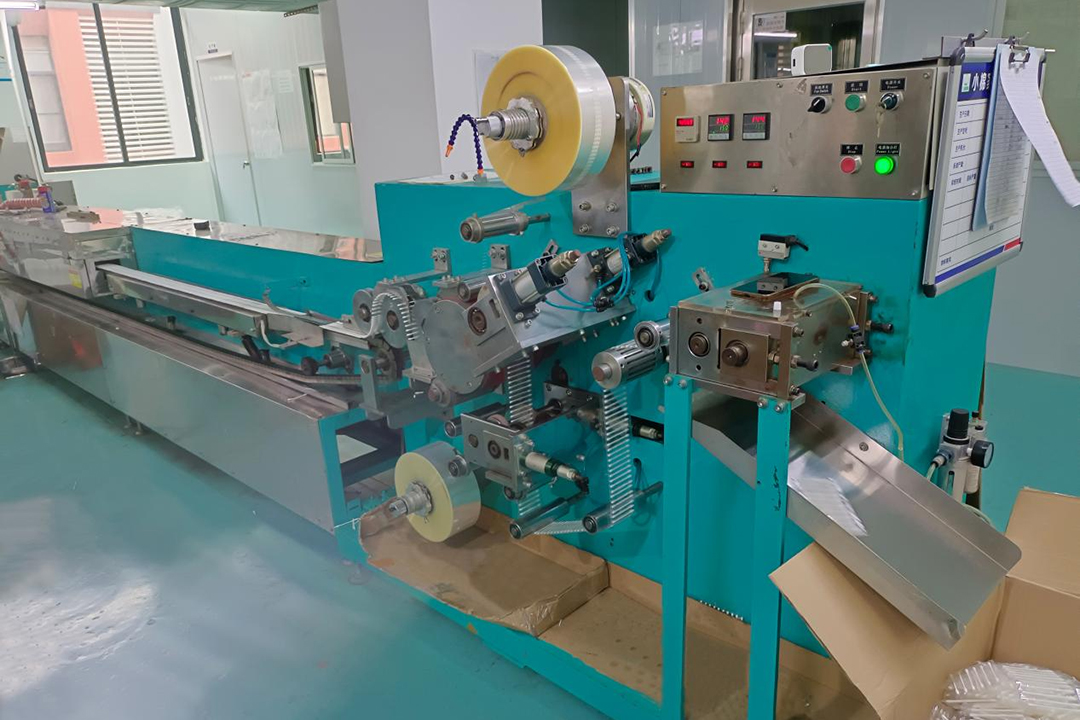
Leading manufacturers operate GMP-certified facilities with controlled environments to prevent contamination. Automated production lines ensure consistency in adhesive application, cotton density, and stick attachment strength. Quality control protocols include regular testing of adhesive strength, cotton purity, and sterility verification.
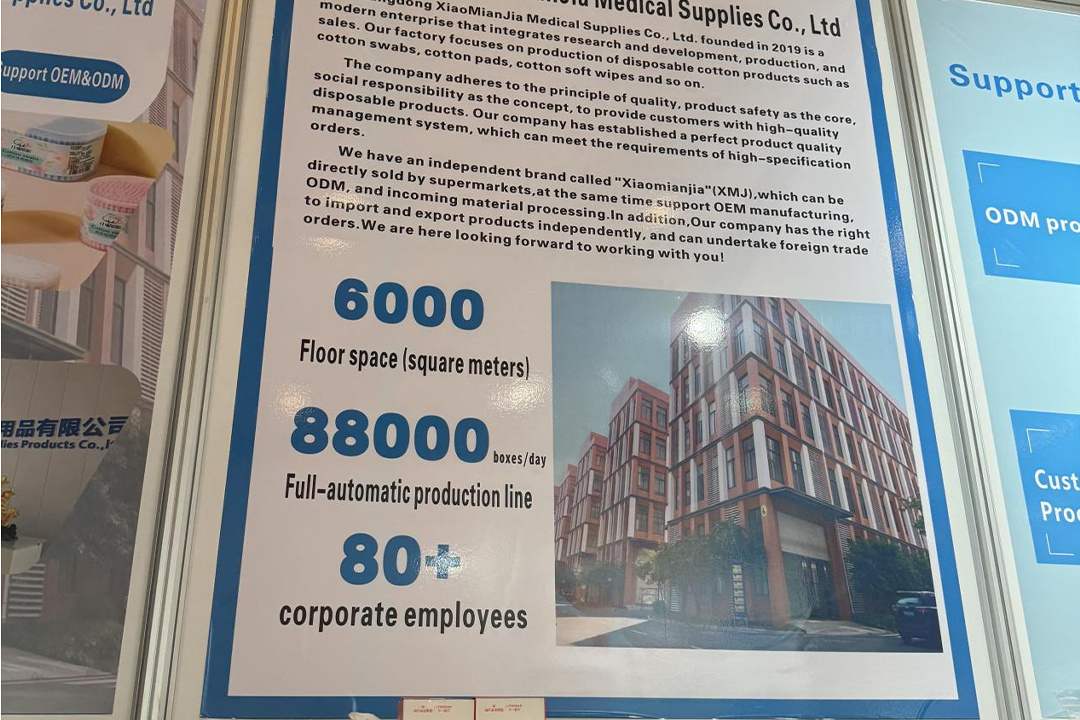
Guangdong Xiaomianjia Medical Supplies Co., Ltd. is a modern enterprise integrating R&D, production and sales, focusing on the development and manufacturing of disposable medical supplies. The company is located in Jiedong Economic Development Zone, Jieyang City, Guangdong Province. It has a 6,000 square meter production base and a 600 square meter office area. It is committed to providing customers with high-quality disposable products such as cotton swabs, cotton pads, and cotton towels.
Xiaomianjia has always adhered to the business policy of "quality as principle, product safety as core, and social responsibility as concept", striving to achieve excellence in every aspect of the product. The company currently has more than 100 employees, including more than 10 professionals in the technical development department and the quality engineering department, forming a high-quality team. In order to ensure the quality and safety of the products, the company has established a complete product quality management system and obtained the GB/19001-2016/ISO9001:2015 quality management system certification.
During the production process, Xiaomianjia strictly follows the relevant standards for disposable sanitary products, and has successively obtained the sanitation license for disinfection products, the first-class medical device production registration certificate, and the sanitation indicators meet the national standard GB/T15979. These qualifications not only prove the company's production capacity, but also provide customers with greater confidence.
The company is able to meet the needs of high-standard customers and provide customized services, including cotton swabs and cotton pads of various packaging specifications. Xiaomianjia has its own brand "Xiaomianjia", and its products can be sold directly in supermarkets, making it convenient for consumers to buy. At the same time, the company also supports OEM, ODM and processing with supplied materials, has independent import and export rights, can undertake foreign trade orders, and further expand the market.
In addition, Xiaomianjia has its own brand "Xiaomianjia", and its products can be sold directly in supermarkets, making it convenient for consumers to buy. At the same time, the company also supports OEM, ODM and processing with supplied materials, has independent import and export rights, can undertake foreign trade orders, and further expand the market.